
Creativity gets talked about as though it arrives through some spark of inspiration … right up until you have to do it for a living. At this point, the conversation gets a lot more practical because ideas still have to survive deadlines, budgets, competing opinions, and the unpleasant realization that not every interesting thought is worth dragging across the finish line. Architecture tends to work these conditions out for you, which is why the creative process starts to look a lot different after you have watched good ideas hold up and bad ones turn like a pork sandwich left out in the sun. Welcome to Episode 198: The Creative Process.
[Note: If you are reading this via email, click here to access the on-site audio player] Podcast: Embed Subscribe: Apple Podcasts | Spotify | Android | iHeartRadio | TuneIn

Today we are going to be talking about the creative process – forcing it actually. When I started looking back through the website, I found three posts that all circle this subject from different directions – The Creative Process for an Architect, (November 2013) Music and the Creative Process, (May 2010) and The Ethereal Decision-Making Process for the Creative Mind (March 2013) – and what became clear pretty quickly was that none of them really tried to describe the whole process. One dealt more directly with creativity, one focused on setting up a mental state, and one came at the subject sideways through judgment and decision-making, which probably tells you where this conversation is (should) be headed. I wanted to explore this process from the lens of some added experience … which should change the conversation because creativity stops looking like the act of having ideas and starts looking more like the discipline of sorting, refining, and deciding which ideas deserve to survive.
The Need for a Creative Process jump to 7:37
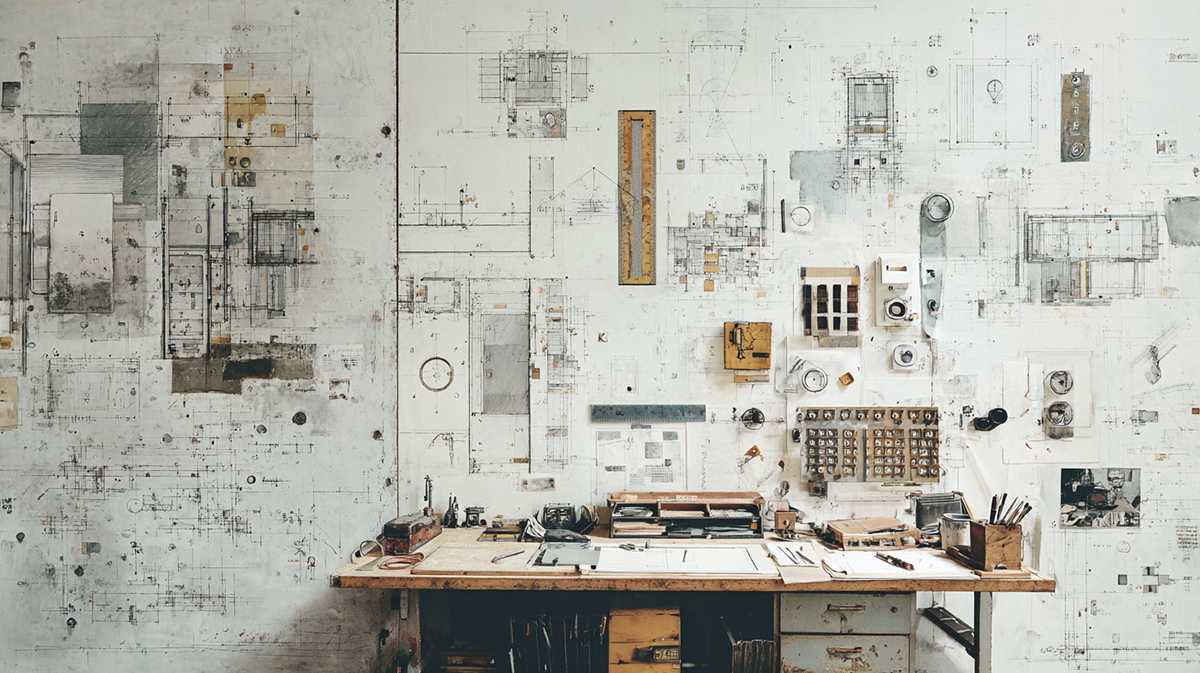
Creativity gets described in architecture like it is some rare atmospheric condition, as though the right idea arrives only when the light is good, the coffee is flowing, and the designer has been blessed by some private little storm of insight, which sounds terrific until a real project shows up carrying a budget, a schedule, a client, and a room full of expectations that do not care whether you are feeling inspired that morning. Work begins long before you know with certainty the direction you might be taking. Information is incomplete, priorities compete with one another, and the assignment usually starts moving while the architect is still trying to figure out what the problem actually is … and that is why an actual creative process matters. It gives you a way to begin honestly, without pretending the path is clear when it is not, and without waiting around for some cinematic moment of inspiration to save the day.
Having an actual “creative” process will shift the meaning of creativity in a useful way because it stops being a mystical event and starts becoming a disciplined response to uncertainty. Inspiration still matters, instinct matters, and curiosity matters. However … none of those things are enough on their own, because architecture is accountable and expensive work, and too many people are tied to the outcome for the whole enterprise to run on mood alone. A process gives the work traction. It lets you move before you feel ready, which is usually the actual condition of practice, and it makes room for the idea to emerge through testing, sorting, and pressure rather than requiring it to arrive fully formed at the front door like some sort of gift basket.
From the outside looking in, most finished projects hide the reality of hard work and process pretty well. The finished projects tend to look inevitable in retrospect, calm and resolved and suspiciously well-adjusted, even though most of them got there through a messier sequence of partial clarity, revised assumptions, and decisions made before anyone had the luxury of knowing for sure. That is the part people leave out when they romanticize creativity. The real achievement is not having an idea – the real achievement is building a way of working that can keep moving until the right idea has enough strength to survive what is coming next.
A Path to the Work jump to 23:24
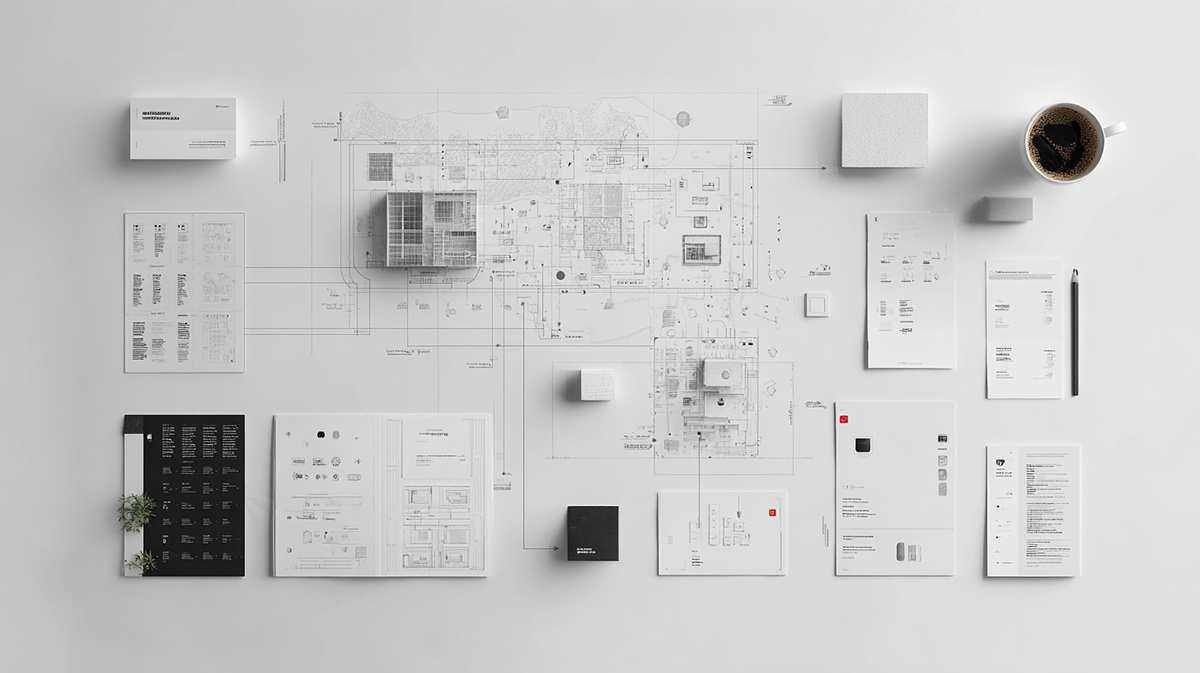
Once I stopped treating the beginning of a project like a search for a spark of creative direction and started treating it like a problem that needed to be organized, the work got better, or at least it stopped wasting so much time pretending that multiple options were part of the magic. My instinct now is to gather the constraints early and start sorting them before I get too attached to anything formal, because attachment comes too easily (we all love our own genius) and evidence usually arrives late. Program, site, budget, code, schedule, client ambition, internal expectations, all of those things begin pressing against one another almost immediately, and that pressure is not what ruins the design. That pressure is what starts telling you where the design needs to live. A blank page may feel full of possibility, but possibility without resistance is not nearly as helpful as people want it to be. Limits give shape to the problem. They show you where the tension is, where the conflicts are likely to appear, and where an early instinct might actually have enough structure to become something more than an attractive impulse.
That is where the work starts to become useful because not every condition carries the same weight and not every idea deserves equal time of your consideration. Some constraints are fixed, and some are flexible. Some turn out to be more generative than restrictive, which is one of the better little surprises in the process because the thing you thought was going to narrow the field may actually be what gives the project its character. Once that hierarchy starts to come into focus, the job is not to pile up interesting architectural “gestures” and hope they somehow begin cooperating. The job is to locate a clear idea, state it plainly enough that it can be properly evaluated, and then make decisions that reinforce it rather than compete with it. That is why editing belongs at the center of the creative process rather than at the end of it. Clarity usually comes from sorting, evaluating, restating, re-evaluating, and then cutting away what never really belonged, even though the final result always tries to act like it had the good manners to arrive gracefully on the first try.
Creativity Requires Judgement jump to 36:32
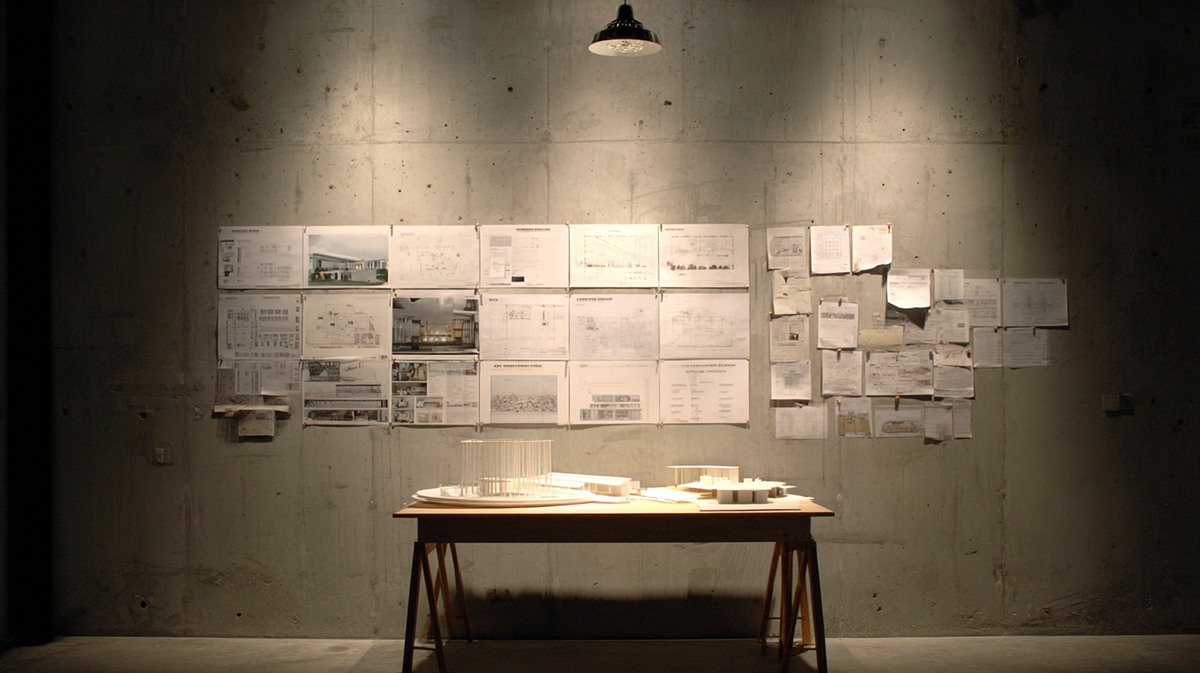
Creativity gets more complicated the second other people enter the room, which in the practice of architecture is basically the opening condition.
This is not private studio work where the designer gets to wander around in a cloud of personal exploration until the object finally reveals itself. Design in practice is crowded from the beginning. Clients want value, consultants want coordination, contractors want buildability, code officials want compliance, ownership wants performance, project teams want momentum, and the budget sits over everything like a disapproving relative who may not say much but still manages to control the tone of the evening. That does not diminish creativity – it makes judgment inseparable from it, because the job is no longer just to generate ideas. The job is to recognize which ideas are actually serving the project and which ones are mostly asking to be admired for their own cleverness.
That distinction sounds obvious until you watch how often architecture rewards energy before it rewards clarity. Plenty of ideas look promising in a pin-up, in a rendering, or in a conference room where nobody has yet asked what they cost, what they complicate, or what they displace. Experience starts to matter here because judgment is mostly the ability to assign the right weight to competing priorities before the consequences fully arrive. Someone with less experience may respond honestly to the excitement of a move, and there is nothing wrong with that, but someone who has lived through enough projects knows that every move extracts payment somewhere, whether in money, time, coordination, client trust, or simple patience. Judgment is what keeps bringing the work back to the central idea and asking whether the proposed solution strengthens it, distracts from it, or quietly undermines it while sounding persuasive. Creativity opens possibilities, but judgment decides which of those possibilities deserve protection once the project has to survive contact with reality.
The Cost of Bad Ideas jump to 47:29
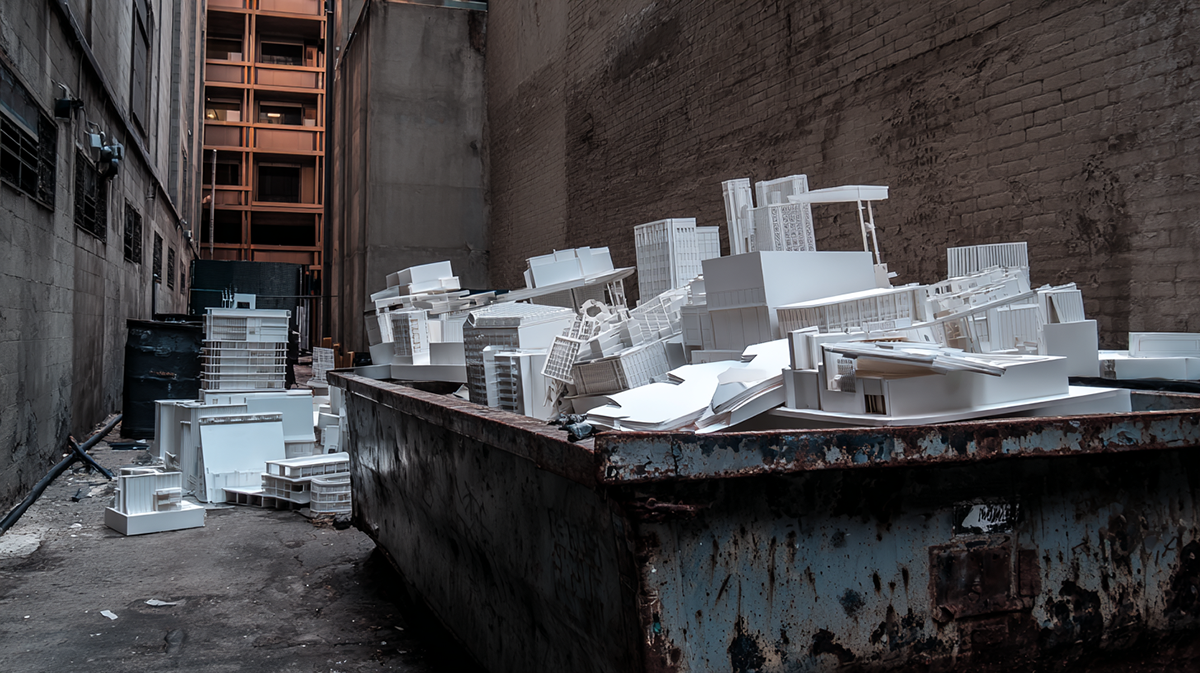
A good creative process does not guarantee brilliance, which is disappointing but also keeps expectations in the proper zip code. What it does is reduce how much time, energy, and emotional investment get burned on ideas that never had a real chance of surviving. That matters more than people admit because designers are usually willing to keep feeding an idea once it starts taking shape, and effort has a nasty habit of disguising itself as proof. Time spent begins to feel like value earned. Renderings, diagrams, and repeated conversations start giving weak ideas a kind of false legitimacy, and if nobody forces the work back through the actual priorities of the project early enough, a bad direction can develop a very convincing social life before anyone notices it has no future.
Once that happens, the damage spreads. Owners get shown things they cannot afford and absorb the frustration of being excited about something that was never realistic. Team members spend hours developing work that gets thrown away, and that does not just hurt fee, it hurts morale because wasted effort almost always feels personal. Confidence in the process starts to erode. People begin wondering whether the work is being filtered with any seriousness at all, and cynicism moves into the room much faster than trust ever does.
Firm leadership pays for that failure whether it wants to admit it or not. Schedule pressure gets worse, client confidence gets thinner, internal energy drops, and the whole project starts carrying a little more fatigue than needed. A strong process cannot remove disappointment from practice, and it cannot protect every good idea from budget cuts, stakeholder frankensteining, or the ordinary indignities that architecture hands out with reliable generosity. It can, however, help everyone figure out sooner which ideas are worth developing and which ones need to be cut loose before they drain time, money, and confidence from the work. That is not a small benefit … that is one of the main reasons a process matters at all.
Ep 198: The Creative Process
Creativity has always gotten better press than it probably deserves, mostly because people prefer the version of the story where ideas arrive like gifts instead of the one where they have to be tested, trimmed, defended, and occasionally put out of their misery. Practice has a way of correcting that misunderstanding because the longer you do this work, the more obvious it becomes that good design is not built on inspiration alone, it is built on the ability to recognize what belongs, what does not, and what is about to become very expensive if nobody steps in. Experience earns its keep here, not because it makes someone more imaginative, but because it sharpens the instincts that keep a project from wandering off into the weeds wearing a clever hat. Clear work rarely announces how much sorting went into it, which is probably why people keep confusing elegance with ease. Architects still need ideas, obviously, but ideas by themselves are cheap and the world is full of them. Judgment is where the real value starts showing up, even if that is far less fun to put on a poster.
Cheers,

Special thanks to our sponsor Construction Specialties, maker of architectural building products designed to master the movement of buildings, people, and natural elements. Construction Specialties has been creating inspired solutions for a more “intelligently built” environment since 1948. Visit MasteringMovement.net to learn more.