Some of the best advice I’ve received as an architect came about five minutes after it would have been useful. That’s usually when somebody looks at your drawings and says, “You know what I would have done?” Today we’re passing along a few things we wish somebody had told us a little earlier, back when we were still figuring out how the work gets done and where we fit in the profession. Welcome to Episode 215: Dear Future Architects.
[Note: If you are reading this via email, click here to access the on-site audio player] Podcast: Embed Subscribe: Apple Podcasts | Spotify | Android | iHeartRadio | TuneIn


Today we’ve got ten pieces of advice for anybody getting started in architecture. We started with responses from architects I’d asked what they’d tell somebody coming into the profession, added a few things from our own experience, and spent some time deciding which ones were worth talking through. Think of Andrew and me as your architectural advice senseis for the next hour. In our particular style of kung fu, the closest you’ll get to a roundhouse kick to the side of the head is a redline that says “Come see me.”
01 Dear Future Architects … jump to 02:42
Learn the craft well enough to judge what the software gives you.
Use AI to explore ideas, but learn enough about how buildings go together to recognize what’s worth pursuing and what you’ll have to work through to keep the idea intact.

Making something look resolved has always been useful in architecture, sometimes a little too useful. I’ve sat through design discussions where the work looked finished enough that everybody started treating it like a decision had been made. AI can get us to that point a lot sooner. I want to know what makes the idea worth pursuing, what assumptions it depends on, and whether it’ll still be any good after we’ve worked through the things the software had the good fortune to ignore. Sometimes that work makes the idea better than the one we started with.
My advice to somebody starting out is to stay involved long enough to see what happens to the ideas you help put forward. You learn a lot about architecture by finding out which decisions held up and which ones you’d make differently next time. That experience changes what you notice when you see a new idea. It also gives you a reason to trust your own judgment when everybody in the room likes what they see.
Read More: We talked about this in Episode 182: How AI is Changing Architecture (August 2025), where we looked at how quickly AI can turn an idea into an image and why it still takes an architect’s judgment to carry that idea all the way into a section detail.
02 Dear Future Architects … jump to 11:13
Work where people will teach you how they think.
Look for people who will explain the reasoning behind their decisions. That’s one of the best ways to develop judgment of your own.
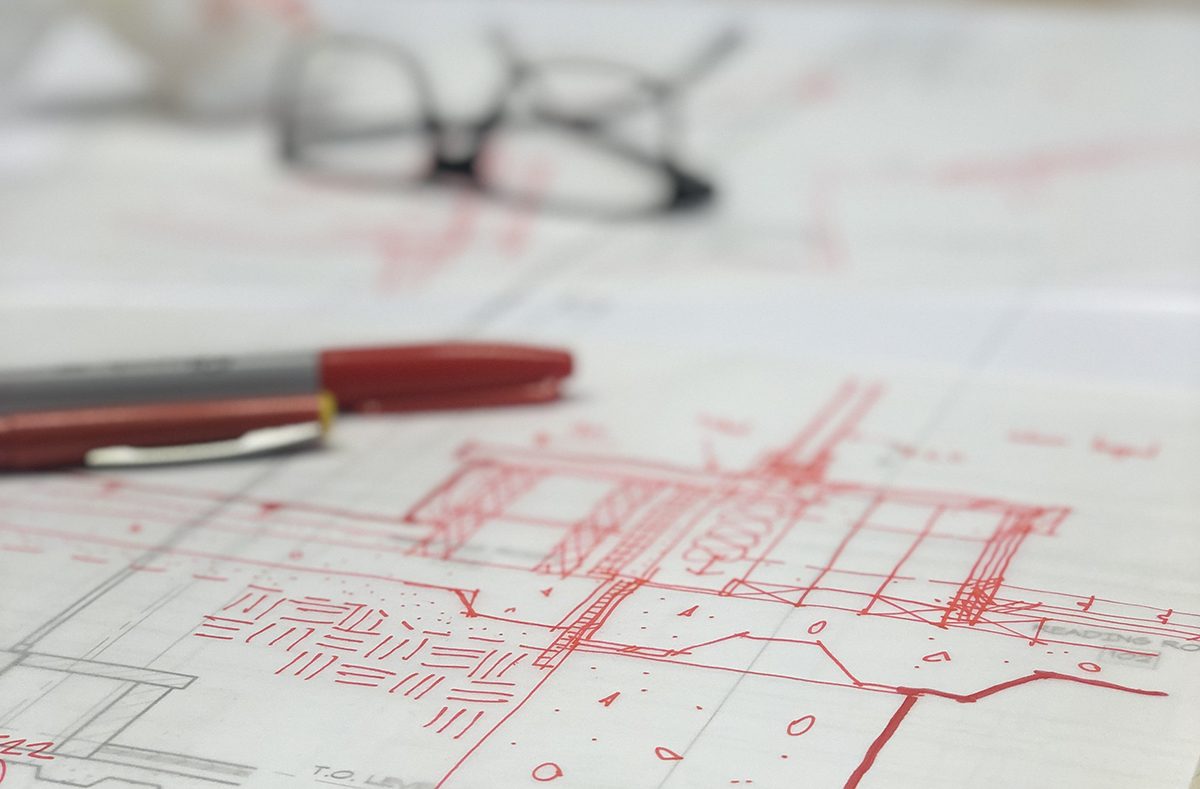
I can mark up a drawing faster than I can explain why I’m marking it up, and there are days when I make that calculation in favor of getting home. If I’m trying to teach somebody, though, the useful part is explaining what caught my attention and why I thought it mattered. Once they understand that, they have a way to think through the next problem on their own, even if it looks nothing like the one we just went over. I also want them to feel comfortable asking why I made a particular comment. Every once in a while, I have to talk my way through the answer and discover that the markup needs more work than the drawing.
Some of the best teaching in an office happens while somebody is still figuring things out. You get to hear what they pay attention to, what they’re unsure about, and what makes them change their mind. If I were looking at a firm early in my career, I’d ask how often younger staff get to be part of those conversations. Being able to hear an experienced architect work through a decision is one of the things I’d put real value on when choosing where to work.
Read More: I wrote about this in Architectural Redlines (February 2015), where I talked about why I explain the reasoning behind my markups so the person picking them up can use that judgment on the next drawing.
03 Dear Future Architects … jump to 21:39
Pay attention to when you stop learning at a firm.
When you like the people you work with, and you’re good at the work, it’s easy to miss how long it’s been since the job taught you something new.

I’d be careful about deciding you’ve stopped learning just because the work has become familiar. Some things take doing several times before you understand them well enough to change how you do them. There’s value in getting another shot at a problem you thought you solved three years ago, especially once you realize the younger version of yourself was a little too pleased with the solution. When I think about whether I’m still learning, I look at the decisions I’m making now. If I can see where experience has changed my mind or made me better at the work, I’m still getting something out of it.
The harder thing to recognize is when you like the people, the work suits you, and you can see pretty clearly what the next few years are going to look like. I’d look around the firm and see whether there’s work you could grow into that you haven’t had a chance to do yet. It’s also worth looking at the work people a few years ahead of you are doing, because that may be the clearest picture you’ll get of what staying offers. If next year looks a lot like this one, make sure that’s a year you’d choose to repeat.
Read More: I wrote about this in It’s Never Easy to Say Goodbye (May 2013), when I left a firm after eleven years because I saw a chance to grow as an architect, even though I still loved the job and the people.
04 Dear Future Architects … jump to 28:34
Give people a specific reason to hire you.
Develop an area of practice you enjoy and get good enough at it that someone can explain why they’d recommend you.

I spent much of my career in small firms, where I could design a project, work out the details, talk to the client, and send the bill. I liked that range, although I would have been comfortable with slightly less variety on billing day. Larger firms tend to divide the work among more people, which gives you a chance to get very good at a particular part of the job. Firm size also changes what it means to specialize. A small firm can be known for one kind of project and still need you to do a little of everything. At a bigger firm, you might do the same kind of work across half a dozen building types.
When somebody asks me to recommend an architect, I think about who understands the problem they’re trying to solve. Sometimes it’s an architect who knows that building type inside and out. Other times it’s somebody who’s particularly good at the part of the job that’s likely to give the team trouble. Either way, I can tell the person asking why that name came to mind. If you’re starting out, notice what people keep asking you to help with and whether you’d be happy doing more of it. The reward for getting good at something is that people keep asking.
Read More: We talked about this in Episode 75: Should Architects Do It All? (May 2021), where we looked at what you learn when a small firm needs you to do a bit of everything and what you gain when a larger firm gives you the chance to go an inch wide and a mile deep.
05 Dear Future Architects … jump to 32:17
Ask for the experience you want before your role gets decided for you.
Tell the people who assign the work what you want to learn while there’s still time to get you involved.

When I’m helping staff a project, I’m thinking about who’s available, who knows the work, and who can get it done in the time we have. If you did a good job with something last time, giving you another shot at it is an easy decision. I can make that decision three or four times and, as far as I’m concerned, I’ve solved three or four staffing problems. As far as you’re concerned, I may have just decided what you do for the next two years. I’d rather hear what you want to learn while we’re figuring out who’s doing what.
The more specific you are, the easier it is for me to help. If you want to run a consultant coordination meeting, say that, and ask to take the lead on the next one with somebody there to help if you need it. One meeting gives you a chance to prepare, make a few decisions, and talk afterward about how it went. You might discover you like running the meeting, or that you liked it better when somebody else ran it. Either way, you’ll have a better idea whether you want that responsibility to become a regular part of your job.
Read More: I wrote about this in Surprise! I’m Starting a Residential Studio (October 2020), where I explain what happened when I told the partners at BOKA Powell I wanted to do residential work again and how many people in the office spoke up once they knew they could work on those projects, too.
06 Dear Future Architects … jump to 35:18
Lead the people doing the work.
Pay attention to how the work is landing on the people doing it, and make it easy for them to tell you when something needs to change.

I spend a fair amount of time keeping track of who’s doing what and when it’s due. The schedule can tell me that a set goes out Friday, but I need the people doing the work to tell me what it’ll take to get there. That depends in part on how I responded the last time somebody brought me a problem. If I was in a hurry and waved them off, I’ve given them a pretty good reason to keep it to themselves next time. I pay attention when someone catches me after a meeting to tell me what they really think. I was there for the entire meeting and somehow missed part of it.
I also try to notice who keeps getting the work that needs to happen at the last minute. The person who always finds a way to get it done is the easiest to ask again. It’s a funny way to reward someone for being dependable. Sometimes the best thing I can do for that person is give somebody else a chance to learn the work.
Read More: We talked about this in Episode 181: Attitude Reflects Leadership (July 2025), where we discussed how the way you respond to a problem affects whether people bring you the next one, and why part of leading a team is giving other people a chance to lead.
07 Dear Future Architects … jump to 40:08
Speak up when the scope and the budget start to part ways.
When the scope grows, say what changed while the client still has room to make a decision.

“While we’re at it” can make a change to the project sound like something we were going to do anyway. I can usually see the logic in what the client is asking us to do, and any one of those requests might be easy enough to accommodate. We talk through them one at a time, sometimes weeks apart, which is how a series of reasonable changes can make it into the drawings before we’ve looked at what they’ll cost together. Once the client has seen those changes in a couple of presentations, I can understand why they’d assume the budget includes them. I’d rather bring up the cost while we’re deciding whether to make a change, because it’s a much harder conversation after we’ve spent two meetings showing them how good it looks.
If you see the scope growing, bring it up in that moment. It helps to be able to say what was in the project before, what we’ve added, and what else needs to change if we keep it. That gives the people pricing the work something specific to look at, and it gives the client a chance to tell us how much the change matters to them. Sometimes they want it enough to spend more, and sometimes hearing what else it affects is enough for them to reconsider. I’d much rather have that conversation while everyone still remembers why we added it.
Read More: I wrote about this in Architectural Fees…part two (March 2010), where I talk about why you need to tell a client when a change they’ve asked for could push the project past the budget you agreed on.
08 Dear Future Architects … jump to 47:51
Let the Team benefit when the work gets faster.
When a tool saves time, give the team a chance to finish the work within the hours you planned before you decide they can do it in fewer.
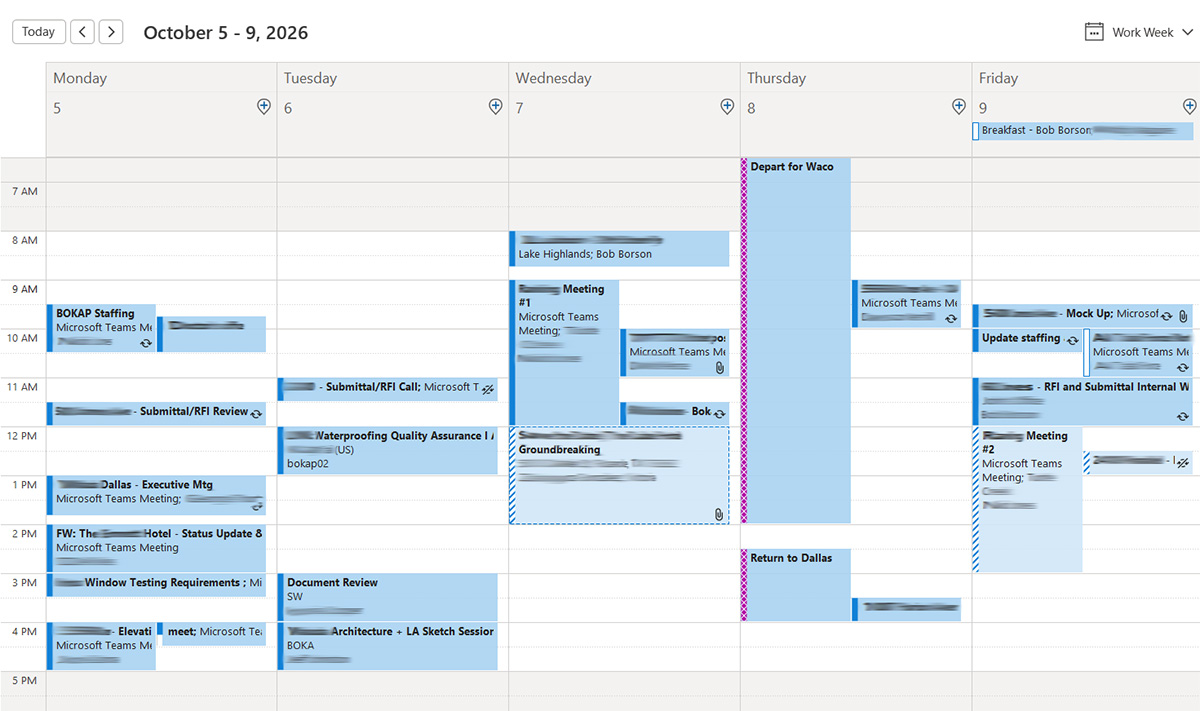
When I’m staffing a job, I know how tempting it is to take a task that went well once and assume it’ll go that well every time. Somebody gets a new tool working and finishes a day sooner, and the next time we plan the work, that day has already disappeared from the schedule. I understand the impulse because I’m also the person trying to make the fee work. I’d still like to know how much time it took to check what the tool produced and whether the people using the results had more work to do as a consequence. We might have saved a day, or we might have given half of it to somebody whose timesheet I haven’t looked at yet.
A deadline the team can meet without working into the evening is already an improvement, especially if we’ve been planning as though those evenings were available all along. I’d give the people doing the work a say in what we promise the next time, since they can usually tell you which parts went faster and which parts happened to go well. If the tool works reliably and we can make a better fee on the job, I’m perfectly happy with that. I’d also like the occasional software upgrade to show up as somebody getting home while dinner is still warm.
Read More: We talked about this in Episode 212: Schedules – Who Owns Our Time (October 2026), where we looked at what it takes to meet a deadline and why the drawings going out on time can give you the wrong idea about how well the schedule worked.
09 Dear Future Architects … jump to 54:22
Know what the design needs to keep when money gets tight.
Be prepared to change how the design delivers something the client values while keeping the benefit that made it worth including.

The estimate puts a number next to the thing we drew, and the reason we drew it is usually missing from that page. If a canopy is expensive, somebody is going to suggest making it smaller or taking it out. Before I get too attached to defending the canopy, I want to remember what we said it would do. If the client needed somewhere for people to wait out of the rain, there may be a less expensive way to provide shelter. If we shorten it just enough that the people waiting still get wet, we’ve found a way to spend less money on a canopy that does less of what the client needed. I’d rather tell them exactly what that option buys before we put it on a list of savings.
I also have to be honest about the things I want to keep because I like them. I can usually explain why I like a design decision at considerably greater length than anyone has asked me to, which is a skill of limited value in a budget meeting. Sometimes the part I’m attached to is worth every dollar, and sometimes it turns out the client would happily spend that money somewhere else. If I’m going to ask them to keep it, I ought to be able to explain what they’ll get for the money in a sentence that doesn’t require the words “design intent.”
Read More: I wrote about this in A Big Bag of Nothing (April 2011), where I look at what happens when you try to fit everything into a fixed budget and why it helps to decide early what’s worth spending money on.
10 Dear Future Architects … jump to 59:39
Make your drawings easy to use in the field.
Organize the set so someone can find the right information and tell how it applies to the work in front of them.

The estimate puts a number next to the thing we drew, and the reason we drew it is usually missing from that page. If a canopy is expensive, somebody is going to suggest making it smaller or taking it out. Before I get too attached to defending the canopy, I want to remember what we said it would do. If the client needed somewhere for people to wait out of the rain, there may be a less expensive way to provide shelter. If we shorten it just enough that the people waiting still get wet, we’ve found a way to spend less money on a canopy that does less of what the client needed. I’d rather tell them exactly what that option buys before we put it on a list of savings.
I also have to be honest about the things I want to keep because I like them. I can usually explain why I like a design decision at considerably greater length than anyone has asked me to, which is a skill of limited value in a budget meeting. Sometimes the part I’m attached to is worth every dollar, and sometimes it turns out the client would happily spend that money somewhere else. If I’m going to ask them to keep it, I ought to be able to explain what they’ll get for the money in a sentence that doesn’t require the words “design intent.”
Read More: We talked about this in Episode 45: Documenting Architecture (March 2020), where we looked at how to organize a set so someone can start with an overall plan and work their way to the information they need to build it
Ep 215: Dear Future Architects
Ten pieces of advice is about as much as I’d want to take from two people in one sitting, even if we they did introduce themselves as senseis. I can trace most of this list back to decisions that seemed fairly ordinary at the time and ended up changing the kind of work I did for years afterward. A few of those decisions took me longer than I’d care to admit, mostly because I hadn’t realized they were mine to make. If something we talked about today helps you recognize one of those choices a little sooner, I’d call that an hour well spent.
Best of luck,

Special thanks to our sponsor Construction Specialties, maker of architectural building products designed to master the movement of buildings, people, and natural elements. Construction Specialties has been creating inspired solutions for a more “intelligently built” environment since 1948. Visit MasteringMovement.net to learn more.