
Conflict doesn’t usually start with shouting. Conflict typically starts with a room full of professionals trying to keep it together while money, timing, blame, and ego begin working themselves up like a raccoon next to a vending machine. Professional practice teaches us pretty quickly that the real trouble starts when an ordinary disagreement stops being about the work and starts becoming something people feel they need to defend, survive, or win. Welcome to Episode 199: Conflict Resolution.
[Note: If you are reading this via email, click here to access the on-site audio player] Podcast: Embed Subscribe: Apple Podcasts | Spotify | Android | iHeartRadio | TuneIn

Today, Andrew and I are going to be talking about conflict resolution … whether you like it or not. Back on June 16th, 2011 I wrote a post titled “The Blame Game – Job Site Conflict Resolution and I wanted to revisit it because my current situation at work is putting me in the position to be the “cooler” (think “calm things down”, not Arthur Fonzarelli) That post focused on job site conflict – which can always be a thing, but in my role at the office, I get pulled into office conflicts as well so in some regard, there is a minefield of conflict out there just waiting for me.
The Room Changes jump to 7:16
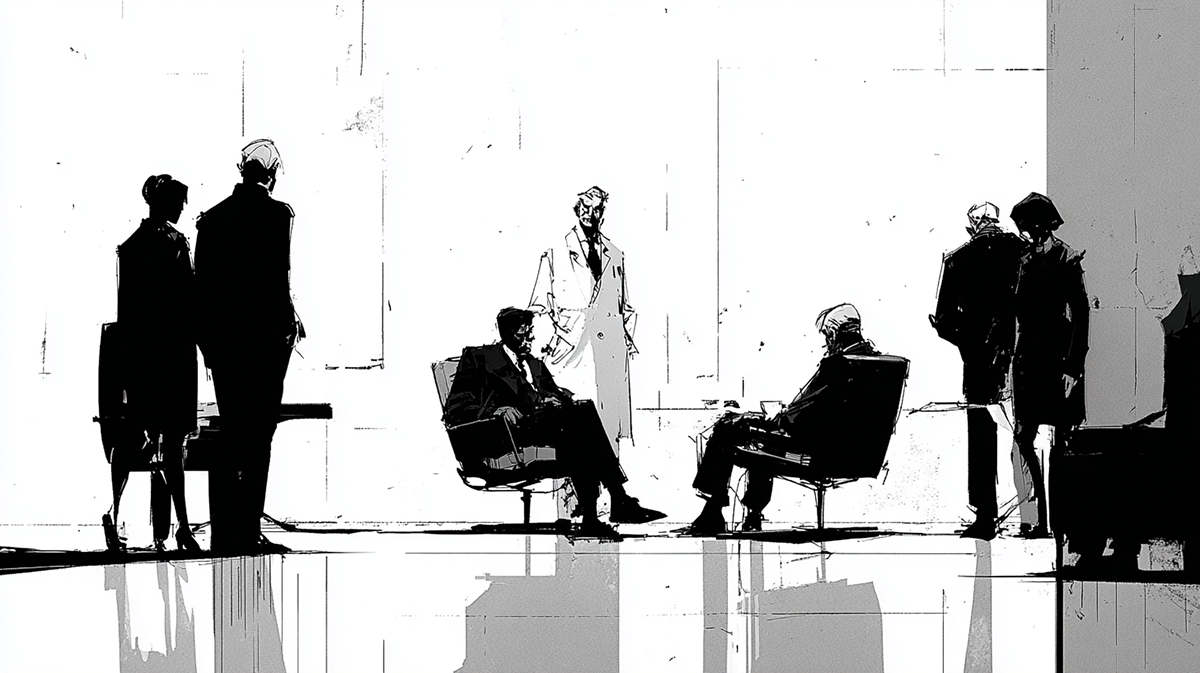
We’re going to start with Section One, titled “The Room Changes.” This is really the threshold moment, when a normal disagreement stops being about the work and starts becoming something more charged because somebody feels exposed, threatened, or backed into a corner. Nothing gets fixed here yet – the point is simply to recognize that the conversation has changed shape.
Conflict in professional practice does not require a mistake to exist. Conflict can show up even when everybody involved is competent, informed, and trying to do the right thing because the same situation does not carry the same consequence for every person at the table. An architect may be thinking about intent and continuity. A contractor may be thinking about labor, sequence, and whether a late change is about to become an unpaid one. A client may be listening for signs that certainty is slipping away. A person inside the office may hear a direct question as part of doing the work, while somebody else hears that same question as exposure. Professional life is full of these mismatched vantage points, and most of the time they are manageable. Disagreement is not the crisis. Disagreement is evidence that judgment is still part of the process and that people are engaged enough to care how something gets resolved. Real conflict starts later, in the instant when a conversation stops feeling like a shared attempt to sort something out and starts feeling like something that has to be defended, survived, or won.
Disagreement is not the crisis. Disagreement is evidence that judgment is still part of the process. “
That shift is usually subtle at first, which is part of what makes it so dangerous. A conversation can begin in a perfectly normal way and then slide into a different emotional register before anyone has fully caught up to what changed. The topic on the table might still sound the same, but the energy around it no longer is. A request for clarification starts to land like a challenge. A difference of opinion begins to feel like criticism. A concern about cost, time, or responsibility stops sounding procedural and starts sounding accusatory. Once that happens, the visible subject is no longer the full subject. Money may have entered the room. Embarrassment may have entered the room. Fear usually finds a chair pretty quickly. Reputation is often sitting there too, even if nobody wants to admit it. Professional conflict gets mislabeled as poor communication all the time, and poor communication is certainly part of the story, but that description is usually too shallow to be useful. A threatened person does not listen the same way a comfortable one does. A worried person does not hear nuance very well. A person trying to avoid blame, rework, lost fee, or public embarrassment is not standing there waiting to be persuaded by the elegance of your logic. Plenty of experienced professionals miss this turn because experience has its own blind spots. Confidence encourages you to press your point a little harder. Pressure encourages you to move faster than the moment can tolerate. Pride encourages you to treat resistance as something to overcome rather than something to interpret. None of those instincts are especially rare, and none of them help much once the room has changed. Problems get larger because people keep responding as though this is still a simple exchange of information when it has already become a more loaded and unstable thing.
Stay in Control jump to 22:31
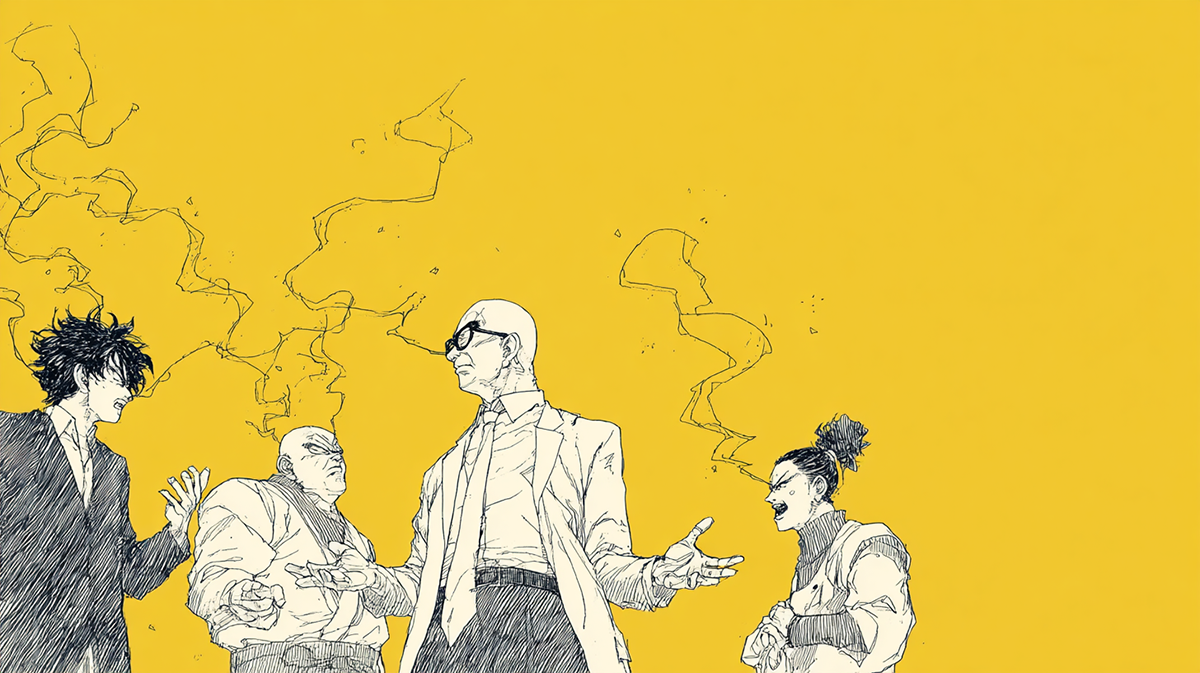
Staying in control is probably the least satisfying part of conflict resolution, which is exactly why so many people fail at it. The moment a conversation turns tense, the natural instinct is to meet energy with energy. Somebody gets sharper, so you get firmer. Somebody raises the temperature, so you decide the quickest way to regain control is to push back harder, talk faster, and make your point with a little more force. That almost never improves anything. Conflict has a way of convincing people that urgency justifies reaction, and once that starts, the conversation can go sideways in a hurry. A tense exchange begins to feel like a test of confidence or intelligence, and suddenly the goal is no longer to be useful. The goal becomes not losing ground. Staying in control means resisting that shift in yourself before you concern yourself with anyone else in the room. Staying in control means understanding that being calm is not the same thing as being passive, weak, or disengaged. Calm is a way of staying available to the problem. Calm keeps judgment in the room a little longer. Calm creates the only real chance you have to keep a difficult conversation from becoming something more expensive than it needed to be. Plenty of people confuse emotional restraint with surrender because they assume that if they are not actively correcting, challenging, or defending, they must be conceding something. That is a shallow way to think about it. A person who cannot remain steady in a tense moment is not demonstrating strength. A person who cannot remain steady is simply reacting, and reaction is one of the quickest ways to let somebody else set the terms of your behavior.
Calm creates the only real chance you have to keep a difficult conversation from becoming something more expensive than it needed to be. “
Professional self-control usually looks less dramatic than people expect. Professional self-control can mean letting the other person finish talking, even when every sentence they are saying feels incomplete, unfair, or headed in a direction that you know is wrong. Professional self-control can mean refusing to answer the first version of the complaint because the first version is often emotional packaging rather than the problem itself. Professional self-control can mean hearing a pointed remark and deciding not to return it in kind, even though part of you would love doing exactly that. None of this feels particularly heroic in the moment. Most of it feels irritating. Most of it feels like choosing patience when irritation would be much more emotionally satisfying … but satisfaction is not the point, usefulness is the point. A person who is angry, embarrassed, defensive, or cornered is rarely in a position to hear a measured explanation, no matter how correct that explanation might be. A person who feels threatened is often listening for ammunition, not understanding. Immediate rebuttal may feel productive because it gives you something to do with your frustration, but in practice immediate rebuttal often tells the other person that the fight is on and that whatever restraint existed five seconds ago has now left the building. Staying in control means giving the conversation a chance to slow down before your own pride starts making decisions for you. Staying in control means not mistaking speed for effectiveness. Staying in control means recognizing that timing matters just as much as content. Plenty of true things become useless when delivered at the wrong moment and in the wrong tone. A steady response does not guarantee that the other person will become reasonable, thoughtful, or cooperative. Life would be much easier if that were the case, but here we are. A steady response does give the conversation a better chance to remain recoverable, and recoverable is often the first victory worth pursuing.
Professional composure is not the finish line. Professional composure is the beginning of having any real options at all. Once the room changes, somebody has to decide not to feed the temperature, and that decision is usually made internally long before it is visible externally. Staying in control is that decision. Staying in control is what keeps a hard conversation from immediately becoming a bad one. Everything that comes after this section depends on that choice because no one gets to understanding, compromise, or problem-solving by first becoming the second angry person in the room.
Hidden Pressure jump to 39:54
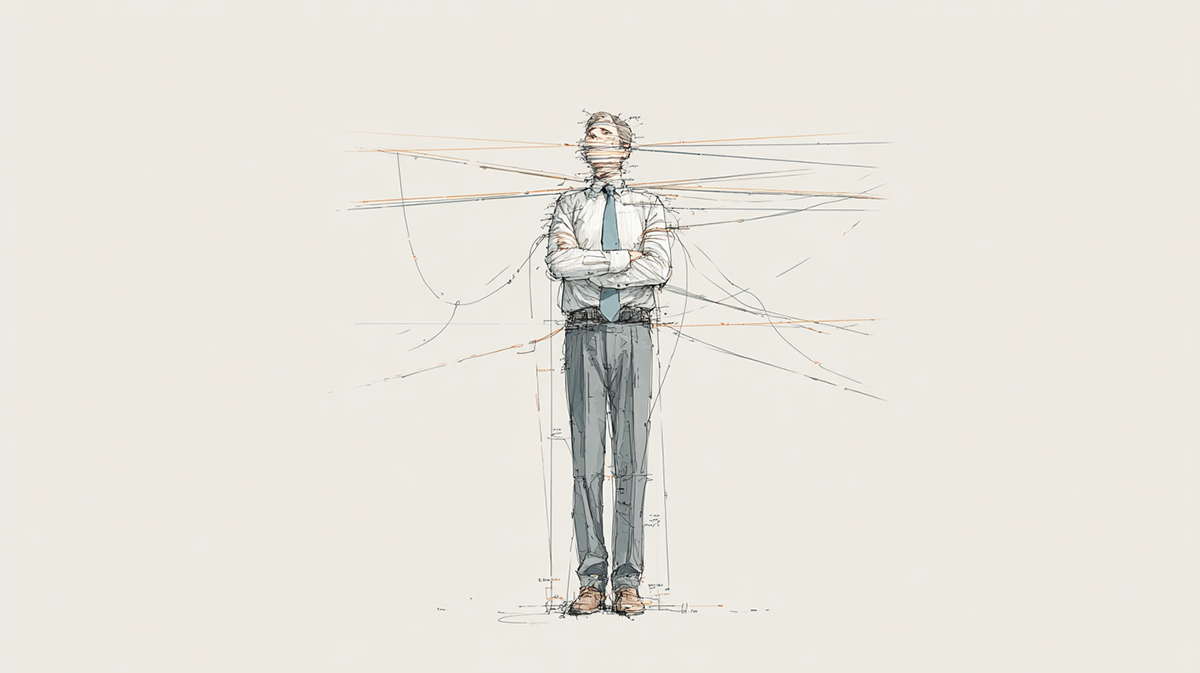
Section Three is titled “Hidden Pressure.” By this point, the goal is to look past the surface argument and recognize that there is usually something underneath it driving the intensity – money, schedule, responsibility, embarrassment, or simple self-protection. Section Two was about controlling yourself, while this section is about reading the situation well enough to respond with some intelligence.
Once I have managed to keep myself from making the situation worse, the next thing I need to remember is that the argument I can hear is not always the real argument taking place. Professional conflict almost always arrives wearing a disguise. The words being said may be about a detail, a decision, a schedule item, a coordination miss, a line on a proposal, or a change that suddenly costs more than anyone wanted it to cost. The subject matter can be completely legitimate and still not explain the intensity of the reaction attached to it. That intensity usually comes from somewhere else. A contractor may be hearing rework and lost money hidden inside what sounds like a simple correction. A client may be hearing uncertainty and loss of control inside what feels to me like a straightforward clarification. A person in the office may be reacting to a question that touches reputation, trust, authority, or the fear that a mistake is about to become public. Hidden pressure does not have to be dramatic to be powerful. Sometimes it is as simple as somebody being tired, overextended, and one bad conversation away from saying exactly the wrong thing. Sometimes it is embarrassment. Sometimes it is a need to protect position. Sometimes it is the very ordinary fear that if this issue keeps moving in the wrong direction, the consequences are going to land in one particular lap. That is why I try not to become too attached to the surface version of the conflict. Surface conflict is often just the access point. Surface conflict is the thing people are willing to say because saying the thing underneath it would require a little too much honesty. Most people do not walk into a meeting and announce that they are feeling cornered, financially exposed, professionally vulnerable, or worried they are about to lose credibility. Most people would rather argue about the obvious thing than admit the obvious thing is not the thing that really has them wound up. Recognizing hidden pressure does not mean I have to become a mind reader, and it certainly does not mean I need to psychoanalyze everyone who gets tense in a meeting. Recognizing hidden pressure simply means I understand that conflict usually has a second layer, and if I ignore that second layer, I am probably going to answer the wrong question with a technically correct response that solves very little.
Hidden pressure changes the way I listen because it reminds me that not every sharp comment deserves to be taken literally. Hidden pressure reminds me that a person can be wrong on the facts and still be reacting to something real. Hidden pressure also keeps me from assuming the loudest person in the room is automatically the most unreasonable one. Sometimes the person making the most noise is the person who feels the most exposed. Sometimes the person saying the least is the person carrying the greatest frustration. Once I start paying attention to what might be sitting underneath the visible argument, I stop treating conflict like a contest over who gets to make the final and most airtight statement. A better question starts to emerge. A better question is not “How do I prove my point?” A better question is “What is making this feel larger than the issue itself?” That shift matters because it opens the door to a more useful response. A person who is under pressure often needs something different from a person who simply disagrees with me. A person who feels trapped may need room. A person who feels unheard may need clarity. A person who is protecting a position may need a path that lets them move without feeling humiliated. Understanding hidden pressure does not resolve the conflict by itself, but it changes the quality of what happens next. That is enough to matter. In practice, that is often the difference between forcing the issue and actually moving it.
(*the movie clip I mention at 57:50 is from the Tom Clancy novel “Clear and Present Danger” and can be viewed here)
Finding a Way Forward jump to 49:05
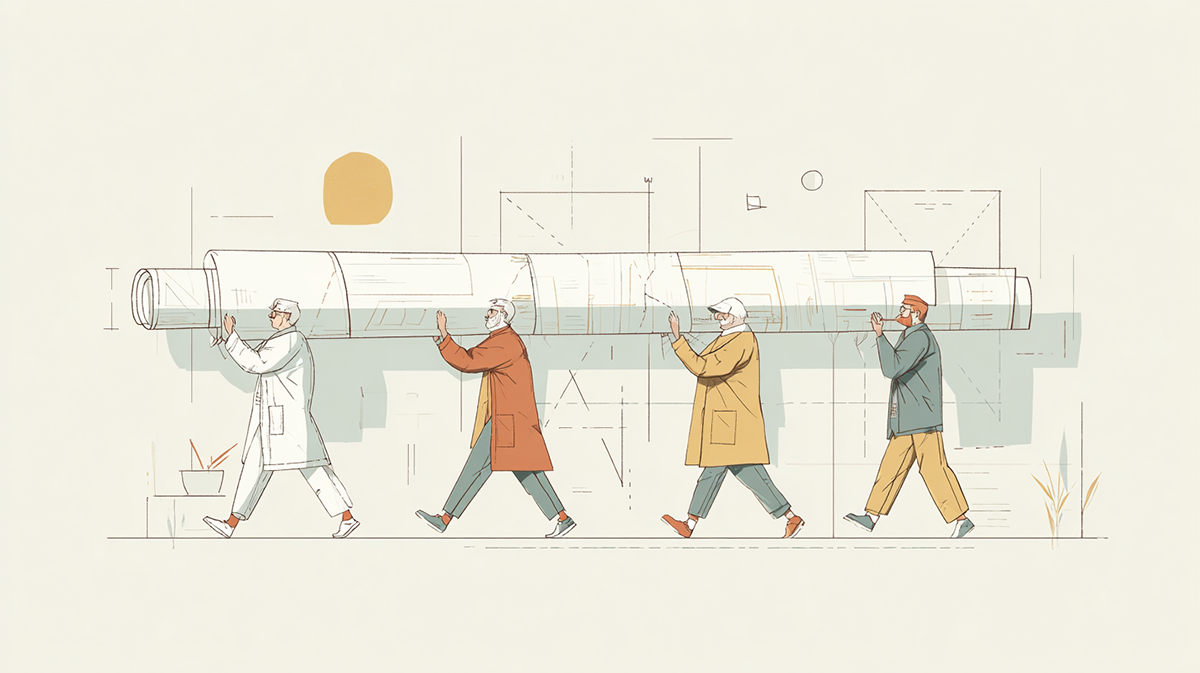
Finding a way forward is the point where conflict resolution stops being a theory and starts becoming work. This is also the point where a lot of people get themselves in trouble because they confuse resolution with victory. Those are not the same thing, and treating them as though they are usually leaves everyone a little bloodied and nobody especially satisfied. In practice, I may be completely right about the facts, the drawings, the sequence, the decision that needs to be made, or the correction that still has to happen, but being right is not always the most important thing taking place in that moment. A contractor may still be staring at the cost of rework. A client may still be trying to calculate what this means for budget, schedule, or confidence in the team. A person in the office may still be trying to protect credibility after a miss that is suddenly impossible to hide behind cheerful ambiguity and crossed fingers. Once I understand that, my job changes. My job is no longer to make the cleanest argument or deliver the most devastatingly airtight explanation in the room. My job is to speak to the other person as a partner in solving the problem, even when I know I have the stronger position. That does not mean I ignore the facts. That does not mean I pretend there is no responsibility attached to what happened. That does not mean I give away something that matters simply to avoid discomfort. What it means is that I do not start with the courtroom version of the conversation. I start with the work. I start with what has to be addressed, what has to change, and what the available paths might look like. Consequences can come later. Accountability can come later. Hard conversations about responsibility can come later. Forward motion has to come first because until the problem starts moving in a useful direction, everyone is just standing around protecting a position while the actual issue gets older, more expensive, and generally more irritating. Mutual problem-solving has a way of lowering the temperature because it gives people something better to do than posture. Once the conversation shifts from “who is going to wear this” to “how do we get this back on track,” the entire exchange starts to feel less like a contest and more like a shared exercise in damage control, which, if we are being honest, is a fair amount of professional practice anyway.
Finding a way forward also requires enough maturity to know that not every fight deserves to be picked just because I would probably win it. Ego loves a clean victory. Ego loves being able to point back to a drawing, an email, a note, a direction, and remind everyone that the record supports my version of events. Records matter, being correct matters, and protecting the work matters, but none of that changes the fact that there is often a bigger picture in play. Relationships matter, future cooperation matters, and the ability to solve the next problem matters. A person who insists on collecting every available win can end up losing ground where it counts. Compromise enters here, not as surrender, but as judgment. Sometimes compromise means adjusting the path without giving up the destination. Sometimes compromise means allowing another person room to move without humiliating them in the process. Sometimes compromise means understanding that the cleanest technical answer is not the most useful professional answer if it leaves a trail of damage behind it. Finding a way forward is really about deciding what outcome matters most and then behaving accordingly. That is where conflict resolution either becomes practical wisdom or collapses into performance. Anybody can stand in a room and prove they are right. The more useful skill is getting that same room moving again.
Episode 199: Conflict Resolution
Conflict is one of those parts of practice that never makes anyone’s list of favorite skills, right up until the moment they realize their career is going to be shaped by it anyway. Technical ability matters, design judgment matters, experience matters, but none of those things excuse a person from knowing how to stay useful when the air gets a little thinner in the room. Most people will eventually discover that being clever, correct, or loudly certain is not the same thing as being effective, and practice has a fairly reliable way of teaching that lesson whether you volunteer for it or not. A lot of professional maturity comes from learning where to put your energy, when to let your ego go hungry, and how to protect the work without turning every disagreement into a personal campaign. That is harder than it sounds, which is probably why so few people are actually good at it.
Best of luck to you,

Special thanks to our sponsor Construction Specialties, maker of architectural building products designed to master the movement of buildings, people, and natural elements. Construction Specialties has been creating inspired solutions for a more “intelligently built” environment since 1948. Visit MasteringMovement.net to learn more.