
Some projects begin with a very specific purpose, but that does not necessarily mean they end there. An exercise can start as a way to rebuild a habit, solve a problem, or make good on something you have been telling yourself you should do, only to reveal a different value once you have stayed with it long enough. The difficult part is rarely getting started. The difficult part is paying attention as the experience begins to change. Welcome to Episode 206: Work to Your Own Standard.
[Note: If you are reading this via email, click here to access the on-site audio player] Podcast: Embed Subscribe: Apple Podcasts | Spotify | Android | iHeartRadio | TuneIn

Today we are going to be talking about an exercise that I basically just completed, and I had an experience with this exercise that I want to talk about. Sketching has always been an important part of my life. It was how I learned to think through design problems in architecture school, and it has remained one of the most valuable tools I have throughout my career. Computers have changed almost every aspect of the profession over the past few decades, but they have not changed the way I think. Some ideas still reveal themselves faster when I am sketching, and some design problems benefit from slowing down long enough to draw through them. Even after all these years, I still reach for a roll of trace paper, or more often now, my tablet, when I am trying to work something out because sketching forces me to engage with a problem differently than staring at a monitor.
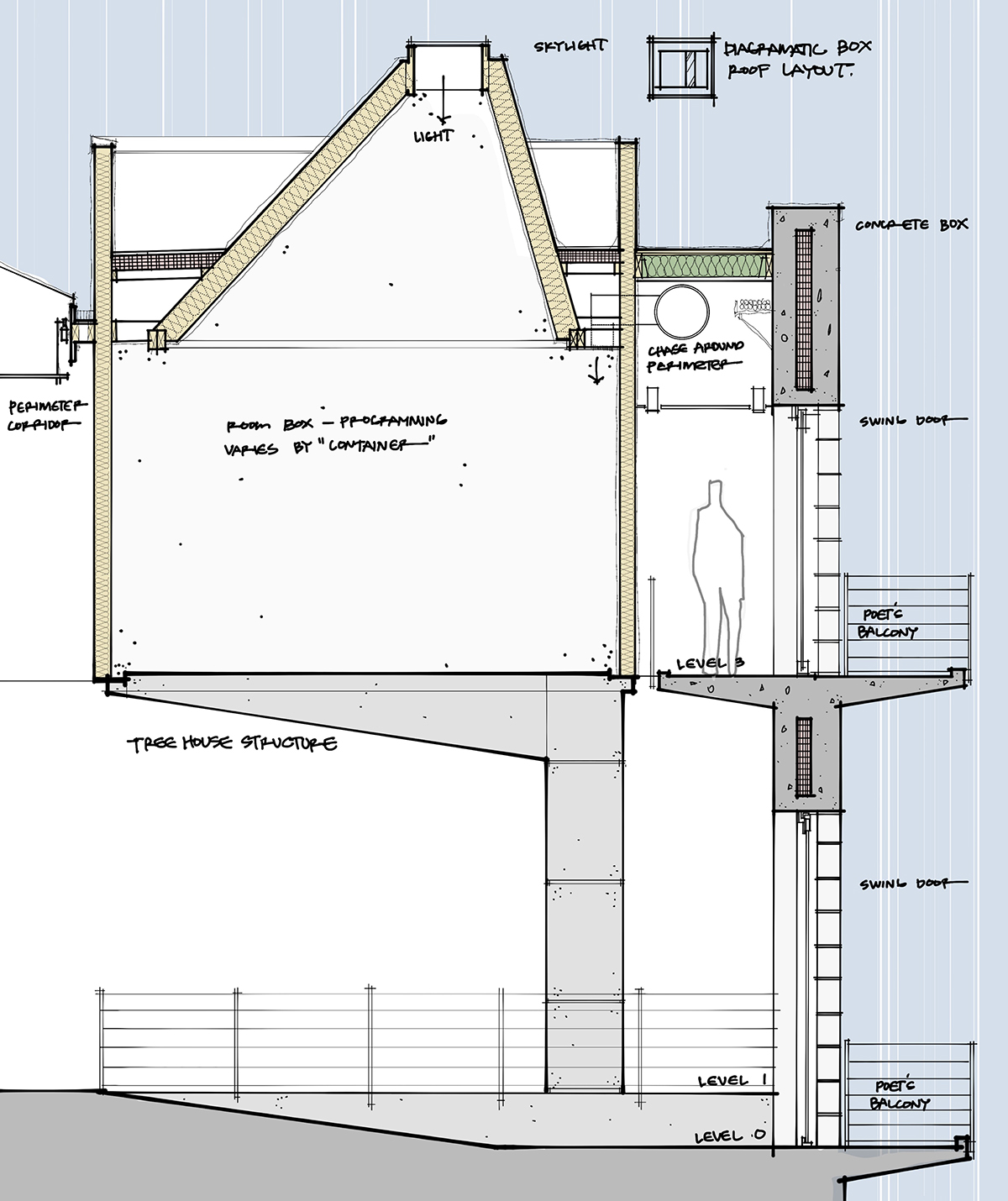
Despite believing all of that, I eventually realized I was no longer sketching very much. The change was not deliberate, and it had nothing to do with shifting most of my drawing to an iPad. The habit faded gradually enough that I never noticed it disappearing – mostly because of the tasks I take on now, which are much more management and leadership-focused than design. I still sketch through ideas, work through the details when I need to solve a problem, and I draw to diagram out my ideas when I explain something to someone in the office. Those sketches served an immediate purpose, but they were not the sketches I missed. What had disappeared was drawing for the enjoyment of it and for the personal benefit that comes from making it part of a routine – and it connected me back to the idea that I am a competent designer. Every so often I would tell myself that I needed to sketch more, and after hearing myself repeat that thought often enough, I finally decided to stop talking about it and do something about.
There was no challenge identified, no finish line, and no identified goal beyond trying to draw something every day. This goal was not to create art because that is not really how I sketch. I simply wanted to take an idea from my head and put it on a page, whatever that happened to look like, until drawing regularly began to feel normal again. Posting each sketch after I finished it was my way of creating enough accountability to keep the exercise from quietly disappearing as the habit had before. I was not asking anyone to judge the work or expecting the posts to become much of anything other than the “looks pretty good, right?” I wanted a visible record that would make it harder for me to skip a day and pretend I would get back to it tomorrow. At the time, that seemed like a perfectly reasonable solution, and for a while, that is exactly what it was.
Making the Promise jump to 10:13
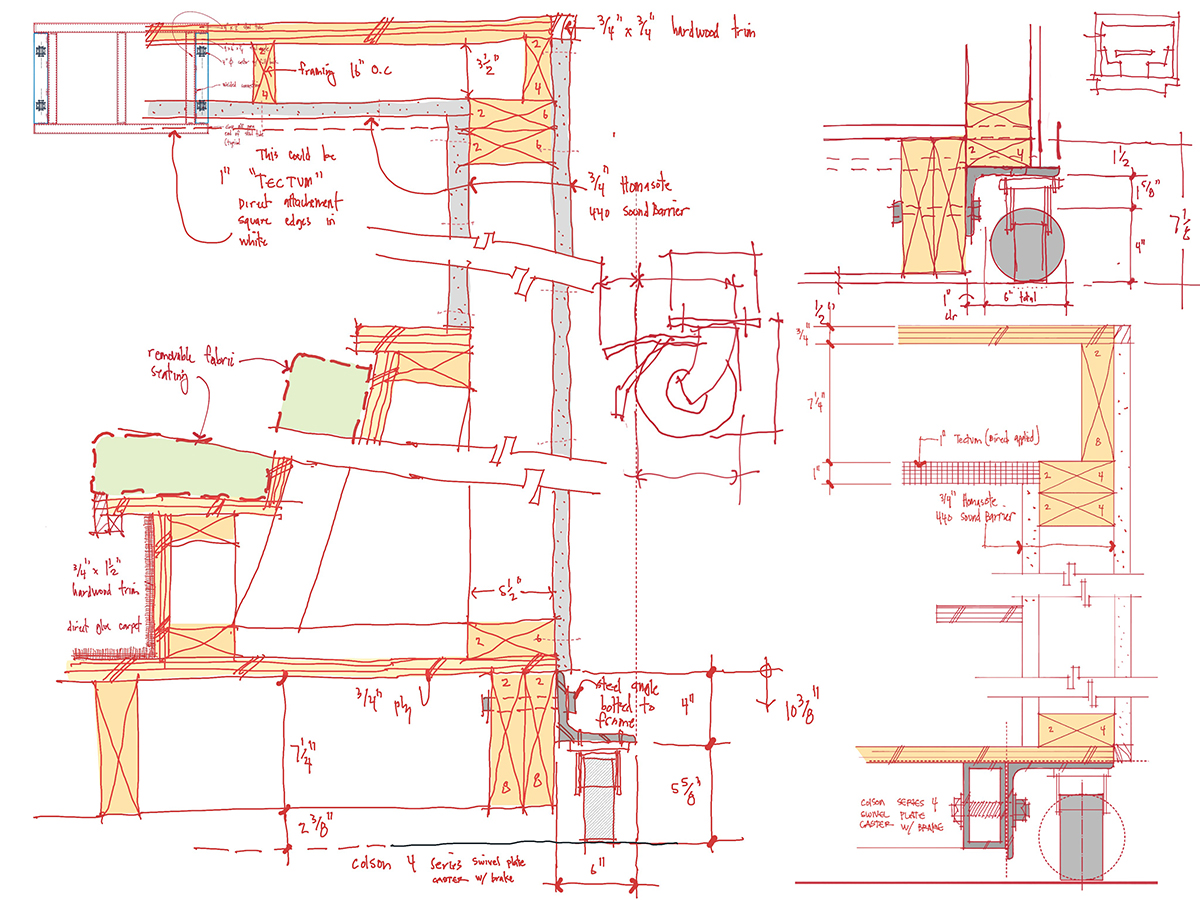
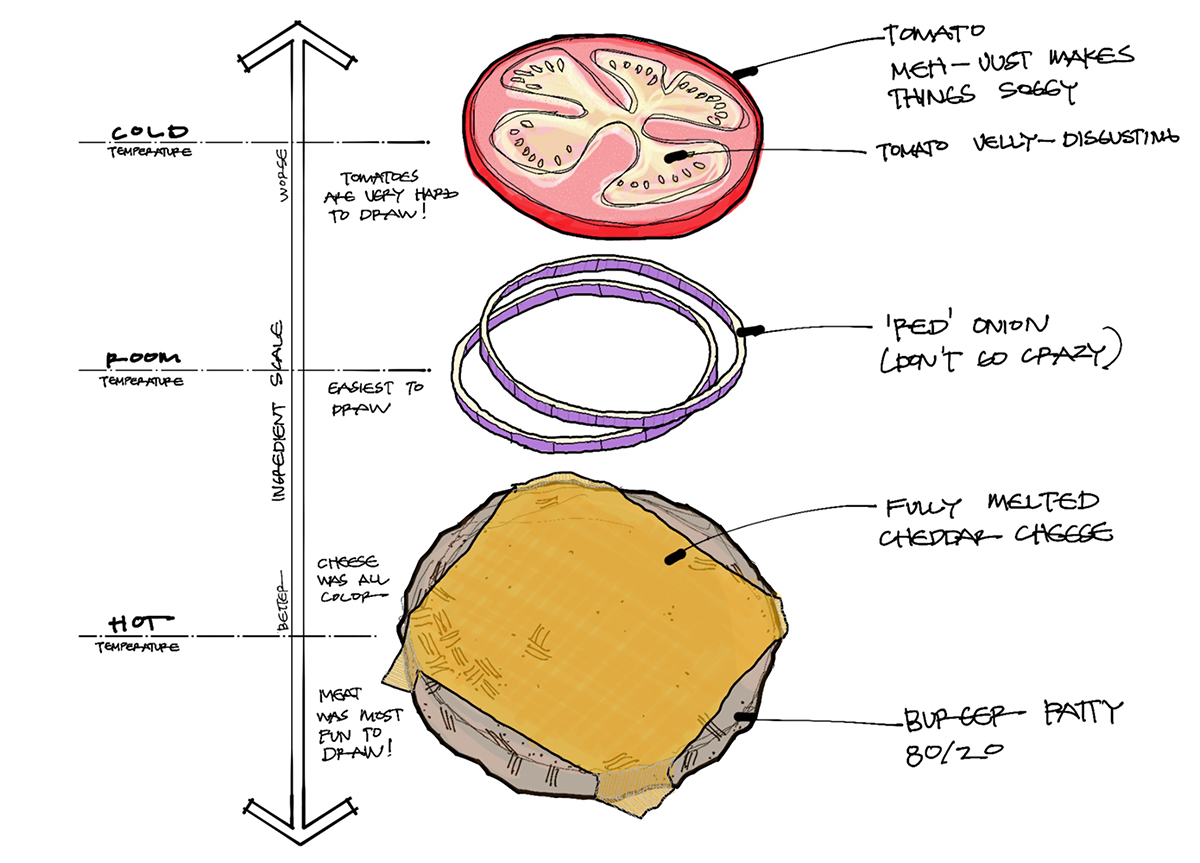
Before this sketch-a-day exercise began, I had already come to the somewhat uncomfortable realization that I spent far more time talking about sketching than actually sketching. I was always saying that I needed to do more of it, but apparently saying it often enough had started to feel like a reasonable substitute for picking up a pencil and doing something about it. Once I finally committed to preparing a sketch every day, I discovered there really was not much standing in my way other than myself. Some days I had an hour or so of uninterrupted time, while other days I worked in shorter stretches whenever I could find them. I drew while I was cooking, sitting at my desk before everyone else arrived at the office, during my lunch break, and occasionally late in the evening after realizing the day was almost over and I had better find something to sketch before I ran out of time. Most of the drawings were made while I was sitting on the couch watching television and trying to turn my brain off from whatever pressure points the day had provided. The subjects themselves were not particularly important. Some were details or sections from my own projects, some came from people I follow and admire and gave me a chance to learn something new, and others came from my past and had played some role in my sketching journey. The exercise was not really about finding great subjects. It was about sitting down often enough that sketching became part of my daily routine again instead of something I mostly talked about doing.
Posting the sketches every day turned out to be exactly the accountability I had hoped it would be. There is something surprisingly effective about knowing people expect to see another sketch tomorrow, even when they never actually say so. Missing a day no longer meant breaking a private promise that only I knew existed. There was now public evidence that I had committed myself to something, which made it considerably harder to quietly skip a day and convince myself that I would make up for it later. Some sketches came together reasonably well, while others clearly reflected the amount of time, energy, or patience I had available that particular day, but that was never the point. The point was to keep showing up. Every completed sketch represented another day when I had done exactly what I said I was going to do, and after a while I stopped thinking about whether I was going to sketch and started thinking about what I was going to sketch next. Somewhere around Day 6 or 7, I realized the accountability part of the exercise was working exactly as I had hoped.
However …
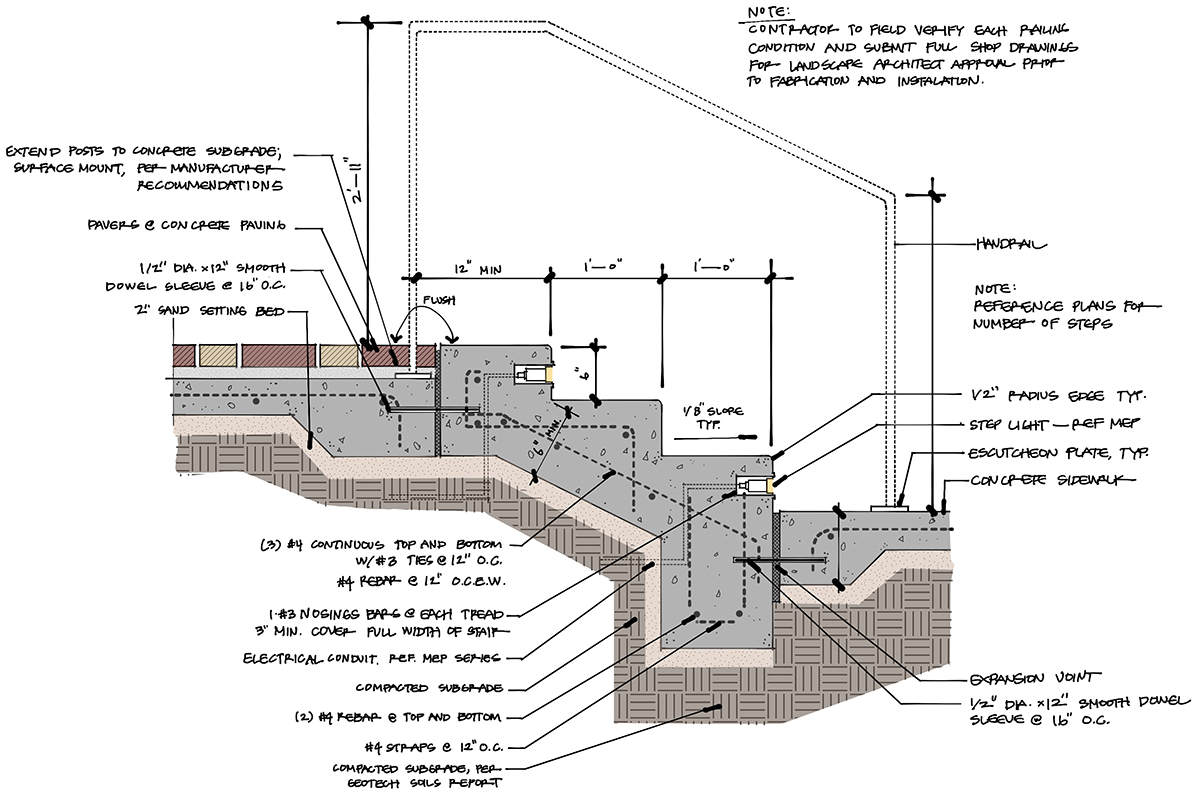
What I had not anticipated was everything that came along with making those sketches public. People were looking at them, which did not come as a surprise since I was the one posting them, but I had not spent much time thinking about the ramifications of posting this sort of content online when there is a comment section provided. Some people shared their enthusiasm, others offered suggestions about how particular drawings could have been improved, some offered to redesign my projects for me, but very few asked questions. None of that was inherently good or bad, it was simply something I had not fully considered when I started. My objective had been to create enough accountability to keep myself sketching every day, but the moment those sketches became part of a conversation with other people, the exercise began changing in ways I had not expected.
When Practice Became Public jump to 16:19
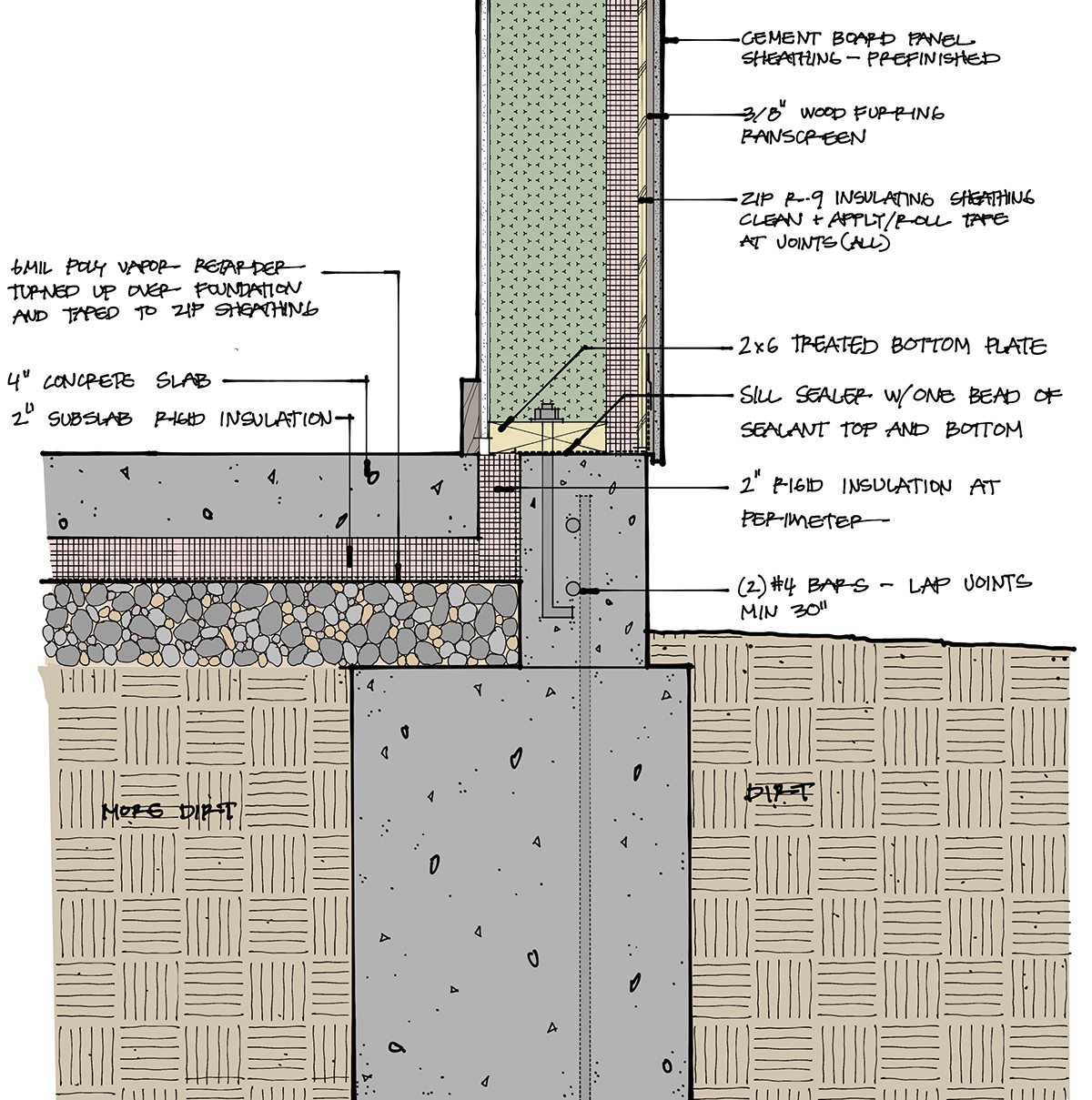
Despite being a pragmatist, and since this is far from my first rodeo, it took me longer than it should have to admit what I already knew – that people were not all looking at these sketches through the same lens as me. Every person who stopped to look at one of the drawings brought their own experiences, expectations, interests, and opinions with them. Some people enjoyed seeing a new sketch every day, others seemed genuinely interested in following along to see where the exercise might lead, and more than a handful offered observations or suggestions that were (I hope) thoughtful and well-intentioned. Now and then someone would point out something I had done incorrectly, kindly [sarcasm] mention that I was not drawing something to their code or building standard, or let me know that I was missing a vapor barrier, had insulation in the wrong plane, or had not sketched in enough rebar. Those comments were not necessarily wrong, although some were way off, and for the most part they were not delivered in a way that suggested anyone was trying to be cruel. They were looking at the sketches from a completely different perspective than I was.
From my position, every sketch represented another day when I had honored the commitment I made to myself. Whether the proportions were perfect or the line weights were particularly elegant was not really the metric I was using. The sketch itself was evidence that I had shown up. For many of the people commenting, however, the daily exercise was not visible because they were not participating in it. They were evaluating a finished drawing that had appeared in their feed that morning, which was a perfectly reasonable thing to do because that was all they could actually see. Looking back, I do not think either of us was wrong. We were not participating in the same exercise, even though we were all looking at the same sketch.
These sketches were never intended to answer every question. Their purpose was to help me discover which questions I should be asking. Now imagine someone responding to that by saying:
“You forgot the vapor barrier.”
They’re having a completely different conversation.
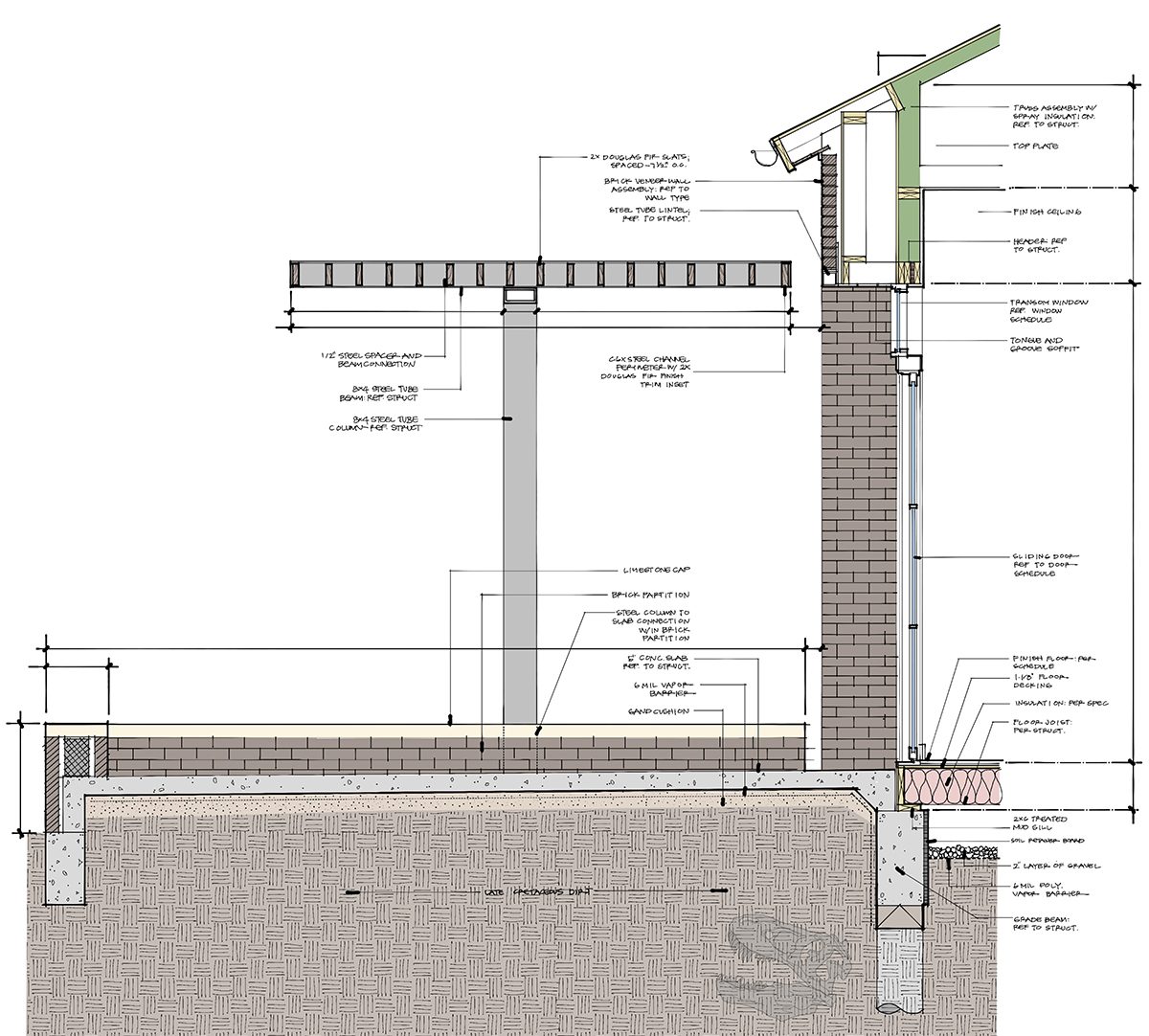
That distinction took more effort to acknowledge than it probably should have, followed by a few deep breaths while I decided what I wanted to do once I admitted that setting people on fire was not the right move or really in the spirit of why I was going through this exercise. There were moments when I wondered whether I should explain the purpose behind every sketch before posting it or spend more time talking about what I had been trying to accomplish that particular day. Other times I thought maybe I should spend longer on each drawing so there would be fewer things for people to comment on in the first place. Neither thought lasted very long, but I remember having them. The longer the exercise continued, the more I realized that posting the sketches required a different kind of discipline than simply drawing them, which was actually the easiest part of the process. Learning which comments deserved my attention, which deserved my appreciation, and which simply reflected an objective different from my own had become part of the exercise as well.
Redefining the Exercise jump to 28:17
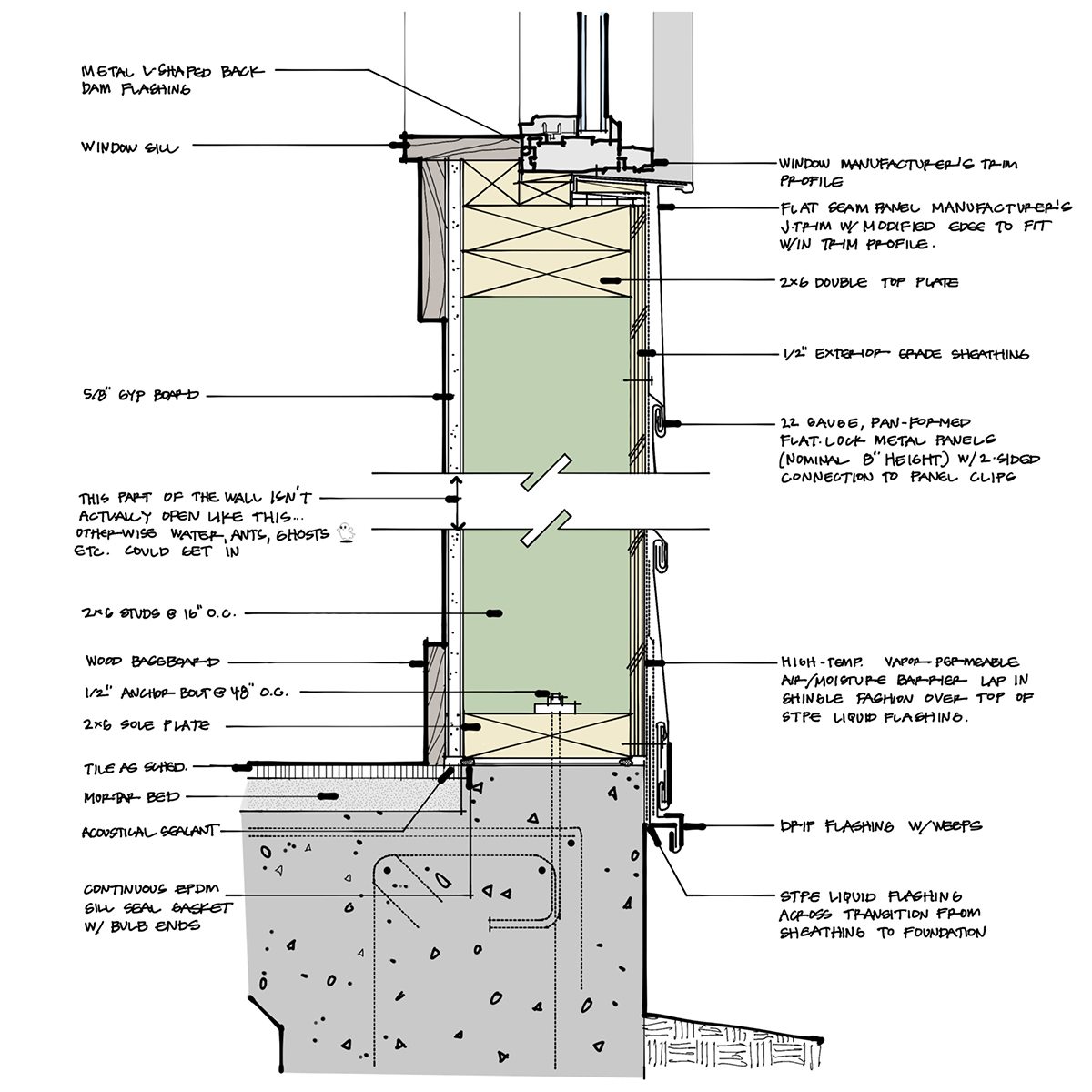
What started to wear on me was not that people disagreed with me. Architects disagree with one another for a living, and there is almost always something to learn from another point of view. My frustration came from how often a single sketch, stripped of all the conversations, constraints, decisions, and context that existed in my head, became enough information for someone to conclude that I simply did not know what I was doing. There were not many questions, and there was not much curiosity. More often than not, there was simply a correction, usually delivered with enough confidence to suggest there could not possibly be another explanation. The sketches were not construction documents, and they were not complete design presentations. They were an hour or two of me working through an idea, but once they were posted, that distinction did not seem to matter very much.
The comments continued, and if I am being completely transparent, they started getting under my skin. Eventually, I began entertaining myself by hiding little notes and Easter eggs in the drawings. Some were inside jokes, some referenced previous sketches, and a few were aimed directly at the people who simply could not let an omitted detail pass without comment. They were not particularly subtle, and they made me laugh, which I suppose was the point. They were my way of reminding myself that I understood what people were pointing out, even when I had intentionally, or occasionally unintentionally, chosen not to draw it. That little game eventually became a clue that something else was happening. I was no longer just reacting to the comments after I posted a sketch. I was anticipating them before I even started. Should I explain why I left something out? Should I choose a different subject because it would invite fewer technical observations? Should I spend more time making every sketch look more complete than the one before it? Those were not the questions I had started with, yet somehow they had become part of the process.
That realization forced me to stop and ask a fairly simple question: who was deciding whether this exercise was successful? If I allowed the comments to become the measure, then I had quietly handed someone else the ability to redefine an assignment they had not created. The standard I set for myself on the first day had not changed. Show up. Sketch something. Do it again tomorrow. The comments could still be informative, helpful, and appreciated, but they did not get to decide whether I had succeeded. That part had always belonged to me.
The Lesson I Wasn’t Looking For jump to 40:03
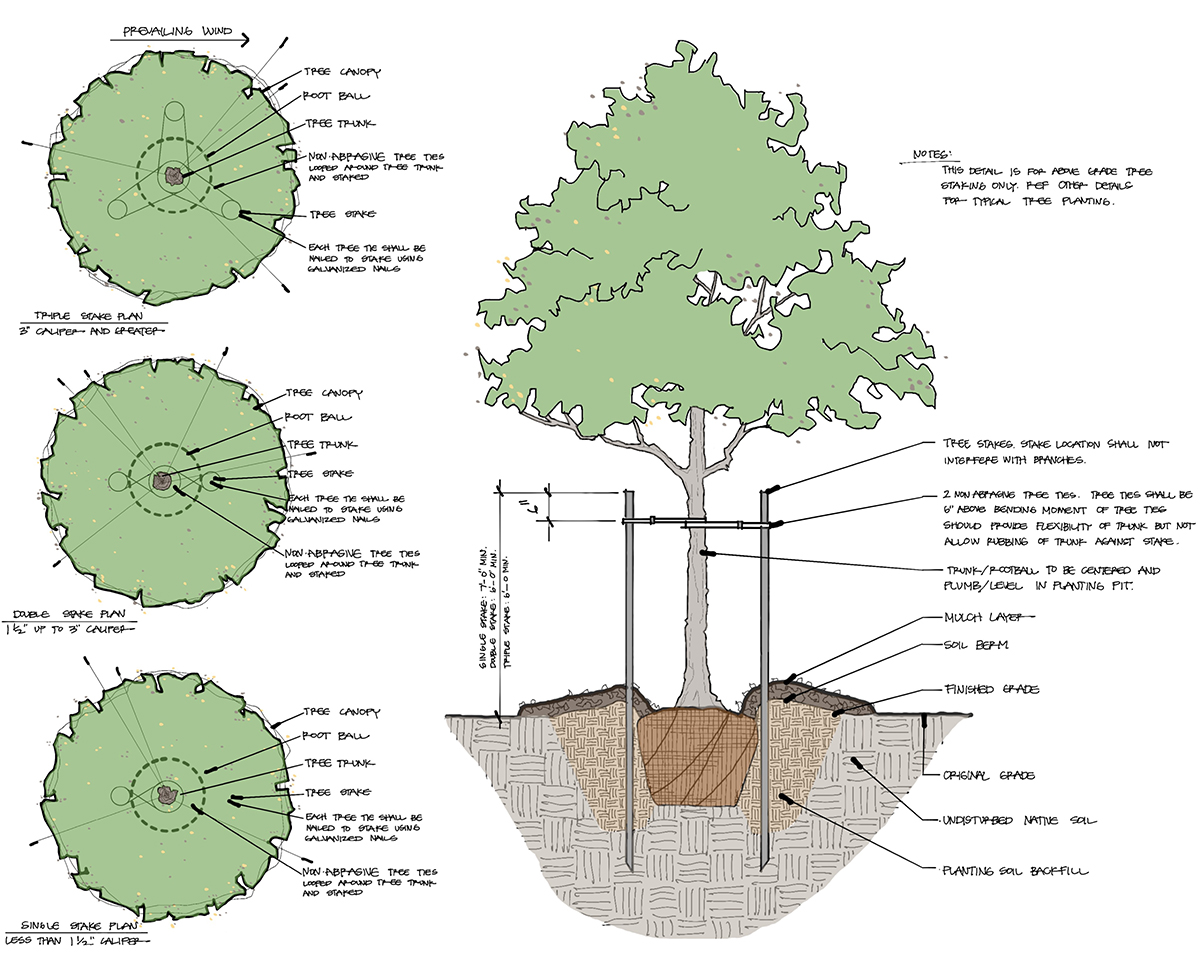
If someone asked me today whether all those sketches made me a better architect, I do not know how I would answer. They probably made me a better sketcher, and I could see my style becoming more consistent as the days went on, although I never sat down and compared the first drawing to the last to see how much my linework improved or whether I became more confident putting ideas on paper. I am sure there was some growth because that is generally what happens when you practice something every day, but that almost feels beside the point now. Looking back, the individual sketches are not what stand out in my memory. I do not remember which ones came together easily, which ones took far longer than they should have, or which ones were actually any good. They have mostly blurred together. What I remember is making room for them, even on the days when there did not seem to be any room available. Some days I was excited to sit down and draw, while others felt more like checking off an obligation I had created for myself, but I still did it. Every completed sketch meant I had followed through on something I said mattered to me, and somewhere along the way that became the real exercise. The sketch was simply the evidence.
I started this because I wanted sketching to become part of my routine again, and that part worked. What I had not expected was how quickly the exercise would expose all the smaller decisions that make a habit possible: deciding that something matters, making time for it, returning to it after a long day, and continuing once the novelty has worn off. Any improvement in the drawings was happening somewhere in the background, but it was no longer the only measure that mattered. The sketch was still the thing I made every day. It just was not the only thing I was practicing.
Keeping A Promise jump to 53:46
There is real value in listening to people who have more experience, who ask thoughtful questions, or who help you see something you might have overlooked. Growth almost always requires someone else to challenge your thinking, and working to your own standard should not become an excuse for ignoring useful criticism or protecting yourself from anything uncomfortable. That is not what I am talking about. The responsibility is knowing the difference between feedback that helps you accomplish what you set out to do and feedback that quietly changes the assignment into something else. Those two things can look remarkably similar, especially when the person offering the advice is confident and appears to know what they are talking about. Their standard might be perfectly valid. It simply might not be the standard that applies to what you are trying to accomplish.
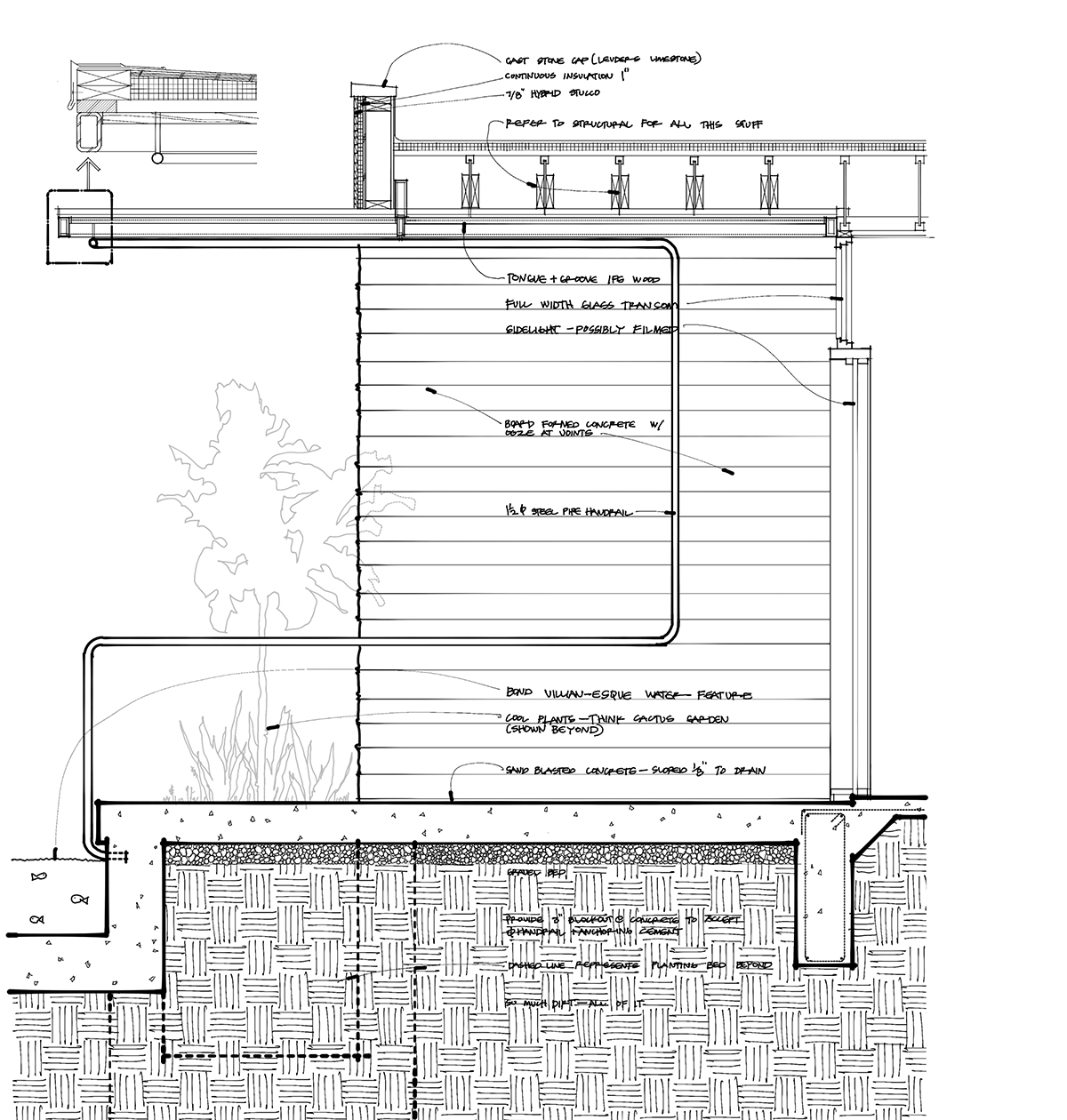
Most people eventually reach a point where the thing they started begins attracting expectations they never intended to satisfy. Maybe you decide to exercise three days a week, and before long you are comparing your progress to someone training for a marathon. Maybe you start writing because you want to become more comfortable putting your thoughts into words, and suddenly you are worrying about whether every sentence is polished enough to publish. You might begin drawing, learning a language, rebuilding a relationship, or trying to become better at something you have avoided for years. The moment other people can see the effort, they will naturally begin measuring it according to what they value. That does not make their observations useless, but it does mean you have to remember what problem you were trying to solve before their opinions became part of the process.
A useful way to protect that original purpose is to return to a few simple questions whenever the work starts feeling heavier than it did when you began. What did I say I was going to do? Why did I think it mattered? Has the goal changed because I learned something important, or because I became uncomfortable with how someone else was evaluating me? Am I improving the exercise, or am I replacing it with one that looks more impressive from the outside? The answers will not always be obvious, and there are times when the standard should change. A habit that becomes established can support a more ambitious goal. A beginner eventually needs more difficult criticism. Work that starts privately may grow into something intended for an audience. None of that is a betrayal of the original effort, provided the change is intentional. The problem begins when the assignment shifts without your noticing and you start measuring success against goals you never consciously chose.
That distinction matters well beyond sketching. If the objective is to build a habit, then honor the habit. If it is to develop confidence, give that confidence enough room to take hold before measuring it against someone else’s finished work. If it is to learn something new, allow yourself to be a beginner for as long as being a beginner is exactly what you need. Take the useful advice, remain curious, and adjust the standard when the work is ready for it, but do not surrender the reason you started simply because someone else has a more sophisticated opinion about where you should finish. Looking back now, I do not know whether I became a better sketcher. I know I became better at keeping a promise to myself, and it turns out that was the part worth practicing all along.
Ep 206: Work To Your Own Standard
The point of this exercise was never really about producing thirty perfect sketches. It was about making a commitment, showing up often enough for the habit to take hold, and learning how quickly outside expectations can begin changing the way you measure your own progress. Feedback can be useful, criticism can be fair, and other people may see things in your work that you cannot see for yourself, but none of that means they should quietly take control of the assignment. The standard can evolve as you improve, and it probably should, but the reason you started still matters. Whether you are drawing, writing, exercising, learning something new, or simply trying to become more consistent, the work has to remain connected to the purpose that made you begin. In my case, I may or may not have become a better sketcher, but I became better at following through, and that turned out to be the part of the exercise that mattered most.
Let’s keep it together …

Special thanks to our sponsor, Construction Specialties, maker of architectural building products designed to master the movement of buildings, people, and natural elements. Construction Specialties has been creating inspired solutions for a more “intelligently built” environment since 1948. Visit MasteringMovement.net to learn more.